The Science of Peptides
Understanding how GHK-Cu signals skin to repair, regenerate, and restore at the cellular level.
Peptides are biological messengers that signal the body to repair, regenerate, and maintain healthy tissue.
At ION BLUE, we focus on one of the most studied and biologically active peptides in skincare: GHK-Cu (Copper Tripeptide-1).
A naturally occurring copper peptide found involved in skin repair and regeneration
GHK-Cu (Copper Tripeptide-1) is a small signaling peptide composed of three amino acids bound to copper.
It is naturally present in human plasma, saliva, and urine, and plays a role in regulating tissue repair and cellular communication.
Over time, natural levels decline — which is why topical application has become a focus in modern skincare research.
Signals skin to repair and regenerate
Supports collagen and extracellular matrix
Clinically studied for skin health and aging
How GHK-Cu Works
Signal → Response → Result
Signal
Cellular Signaling
GHK-Cu acts as a biological messenger, communicating with skin cells to initiate repair processes.

Response
Regeneration Response
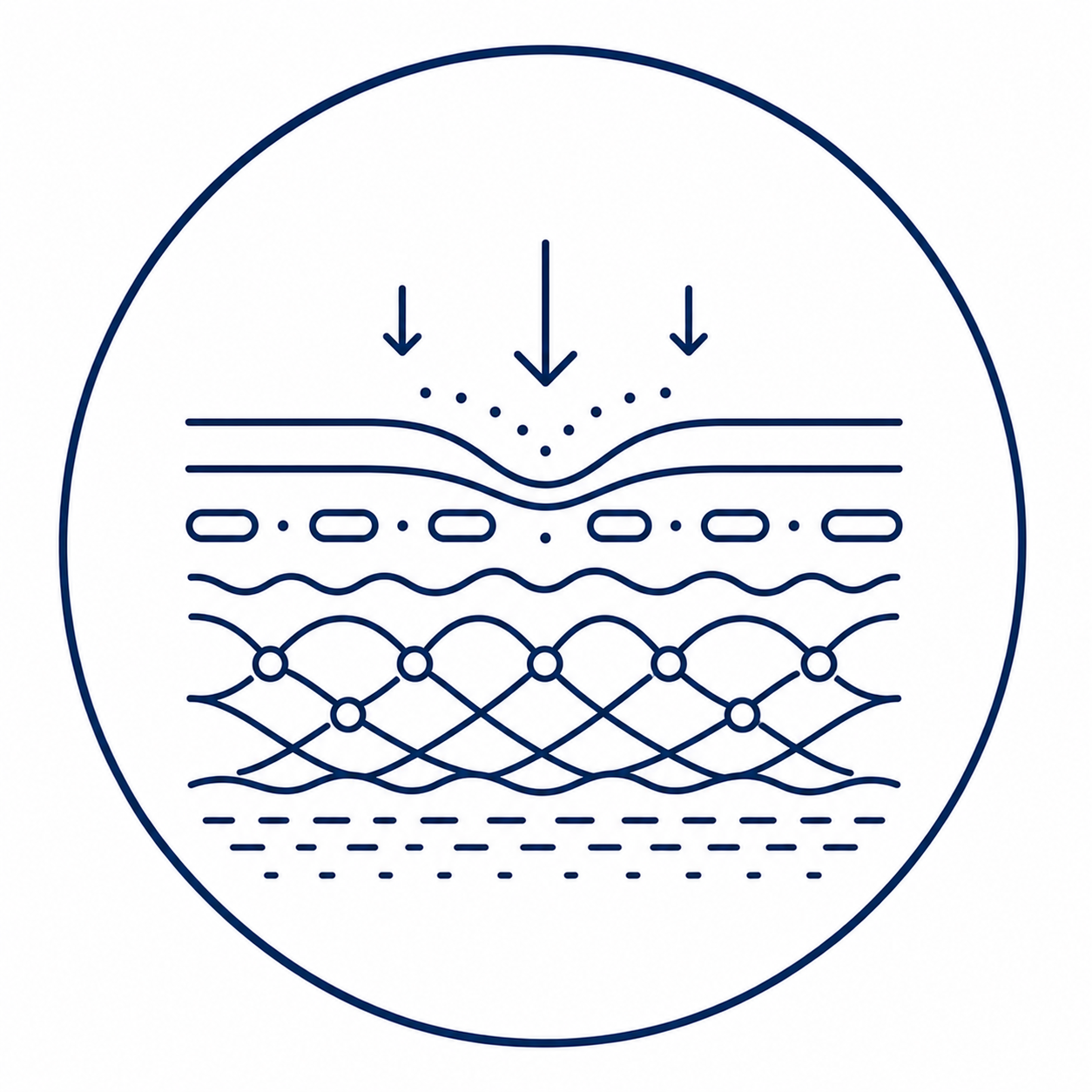
Supports collagen production, tissue remodeling, and extracellular matrix function.
Result
Visible Outcome
Improved skin quality, elasticity, and overall resilience over time.